The most common trademark symbol mistakes are using the registered R symbol before a mark is actually registered, using TM after registration when R should replace it, mixing up TM and SM for goods versus services, applying symbols inconsistently across websites and packaging, and dropping the symbol entirely once a brand feels established. These are trademark branding mistakes because they misrepresent legal status, confuse customers, and can weaken enforcement rights down the line. Understanding the difference matters more than most founders realize, and the fix is usually simpler than it first appears once the rules are clear.
Many business owners also make trademark symbol mistakes while preparing to trademark a logo, assuming registration is complete before the process has officially finished.
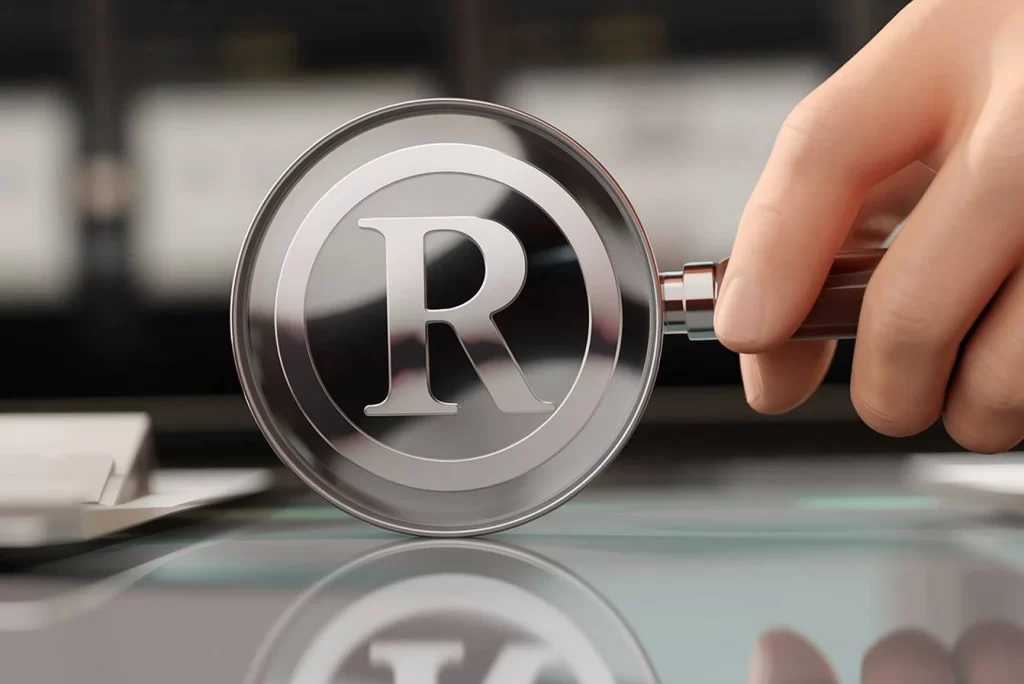
| Quick answer: The most frequent trademark symbol mistakes involve using R before registration is granted, using TM after a mark is already registered, and applying symbols inconsistently across a brand’s materials. These trademark branding mistakes create legal risk and undermine credibility with customers and competitors. Using the correct symbol at the correct stage and using it consistently is the simplest way to avoid them. |
Each trademark symbol signals a different legal status, and mixing them up is one of the most common trademark symbol mistakes brand owners make. TM applies to unregistered trademarks used on goods, SM applies to unregistered marks used on services, and the registered R symbol may only be used once a trademark has actually been granted registration by the relevant trademark office. Using the wrong one at the wrong stage is a classic example of trademark branding mistakes that can follow a company for years if left uncorrected.
| Definition: TM and SM are informal notice symbols anyone can use to claim rights in a mark for goods or services, while the registered R symbol is a formal legal notice that may only be used after a trademark registration has been officially issued. |
Trademark symbol mistakes are not just cosmetic. Using the R symbol before registration is granted can be treated as a false claim of registration, which may weaken a company’s position in a dispute or invite a challenge from a competitor. Consistent, accurate symbol use also signals professionalism to customers, investors, and partners who notice these details more than founders expect. Trademark branding mistakes around symbol use can quietly erode the strength of a brand’s legal position, making it harder to enforce rights against copycats later. Getting the basics right early protects both the legal claim and the public perception of the brand, and it costs nothing beyond a bit of attention to detail during everyday marketing work.
If you are still deciding whether to trademark your business name, understanding when to use TM, SM, and ® correctly is an important part of protecting your brand from the beginning.
Some trademark branding mistakes show up again and again across small businesses and growing brands. The list below covers the errors that cause the most confusion and the most legal exposure, drawn from patterns seen across startups, established brands, and everything in between.
Avoiding trademark symbol mistakes comes down to a few consistent habits that any brand, regardless of size, can put in place right away.

| Situation | Correct Usage | Common Mistake |
| Mark is filed but not yet registered | Use TM for goods or SM for services | Using R before registration is granted |
| Mark has an invalid registration | Switch to the registered R symbol | Continuing to use TM after registration |
| Symbol placement across materials | Same symbol used consistently everywhere | Inconsistent symbol use across materials |
| Marketing copy and press releases | Symbol included in the first prominent use | Omitting the symbol entirely |
| Goods versus services offerings | TM for goods, SM for services | Using the wrong symbol for goods or services |
| Legacy materials after a rebrand | Update every asset to reflect the current status | Leaving outdated symbols on old packaging or ads |
In practice, trademark symbol mistakes tend to surface at the worst possible moment, such as during a funding round, a licensing negotiation, or a dispute with a competitor. A company that has used the registered R symbol on packaging for years, only to discover its application was never actually granted, may face questions from an acquirer’s legal team or even a claim of false marking. These trademark branding mistakes are rarely intentional, but they still create real friction when a brand’s legal documentation does not match what customers have been shown.
Smaller, everyday scenarios are just as common. A startup rebrands its packaging but forgets to update the website, leaving one symbol on physical products and another online. A marketing team reuses old ad templates that still carry the TM symbol months after registration was granted, undercutting the stronger legal notice the company is now entitled to use. None of these situations requires a lawsuit to matter. They chip away at consistency, and consistency is often what separates a brand that looks established from one that looks careless about its own trademark symbol mistakes, especially when new hires, freelancers, or outside agencies are producing materials without clear guidance.
| Getting trademark symbols right is a small habit with outsized benefits for legal protection and brand trust. For a closer look at applying this to your own brand, visit Trademark Clutch’s trademark branding guidance page. If you would rather talk through your specific situation, reach out to the Trademark Clutch team, and a member of the team can help. |
TM signals an unregistered claim to a trademark for goods, while R signals that the mark has been officially registered by the trademark office. Using R without an actual registration is one of the more serious trademark symbol mistakes a brand can make, since it misstates the mark’s legal status.
No. The R symbol is reserved for marks that have already received registration, not marks that are merely filed or pending. Using it while an application is only pending is a common trademark branding mistake that can create legal exposure, invite challenges, and damage credibility with customers and partners alike.
SM is used for unregistered service marks, while TM is used for unregistered marks placed on physical goods. Confusing the two is a frequent source of trademark symbol mistakes, especially for businesses that offer both products and services under the same brand name across different materials.
No law requires it, but skipping the symbol entirely can weaken enforcement and reduce public notice of your rights. Omitting the symbol is still considered one of the avoidable trademark branding mistakes many growing brands make, particularly once a mark becomes valuable enough to attract copycats.
Update all materials, including packaging, websites, and marketing assets, as soon as possible once the correct status is confirmed. Correcting past trademark symbol mistakes promptly limits legal risk and shows customers, investors, and partners that the brand takes its trademark rights and its branding seriously.